News
- All
- Financial Planning
- Investing
- Sustainable Investing
- General
- Ifamax
Click on “all” to view all our blogs.
Featured


























Click on “all” to view all our blogs.
Becoming a partner in a law firm is a major professional milestone. Financially, it can be rewarding, but it can also make your personal finances considerably more complicated.
Income may become less predictable. Tax planning can become more important. Pension contributions may require greater care. At the same time, family commitments, mortgages and lifestyle costs may all be increasing.
Running a successful business can create significant wealth. The challenge is making sure some of that wealth is eventually working for you outside the business.
For many business owners, the company becomes their largest financial asset. It can therefore be tempting to think:
“My business is my pension.”
The one thing we cannot predict with certainty is the future. Yet much of what we read about tax and financial planning is based on opinions about what might happen next.
A Budget approaches. Rumours begin to circulate. Headlines suggest pensions, investments or inheritance tax might change. Understandably, people can feel they need to act before it is too late.
Online fraud is becoming increasingly convincing. Emails, text messages, phone calls, and fake websites can be used to obtain personal information, access financial accounts, or persuade people to transfer money.
Fraudsters may pretend to be your bank, an investment provider, HMRC or even your financial adviser. The important thing is not to be rushed into acting.
If something does not feel right, pause and check before responding.
If you are planning to retire in your mid-50s, an important pension change is getting closer.
The normal minimum pension age (NMPA) is the earliest age at which most people can normally start taking benefits from a personal or workplace pension without creating an unauthorised payment tax charge.
It is currently age 55, but from 6 April 2028 it will increase to 57, unless you have a protected pension age or meet one of the limited exceptions, such as taking benefits because of ill health.
Artificial intelligence can do some impressive things.
Ask it how much you can invest in an ISA, and it can tell you.
Ask about pension tax relief, Capital Gains Tax allowances or the rules around a Lifetime ISA, and it can produce an answer within seconds.
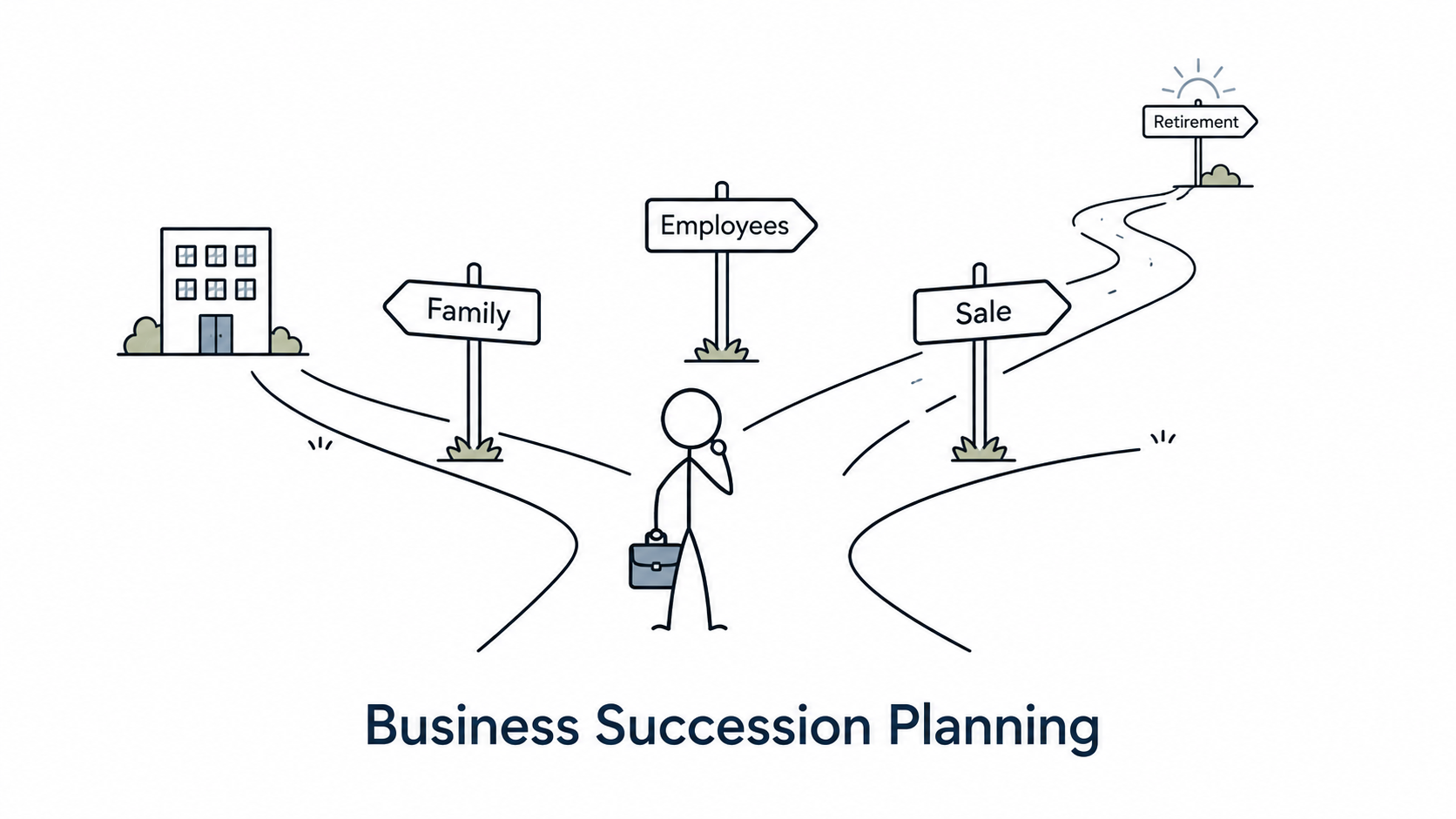
There are perhaps two broad types of business when we think about succession.
There is the family business that has been built over decades and perhaps already passed from one generation to another.
Then there is the first-generation business. You started it, took the risks, worked the long hours, employed the people and gradually built something of value.
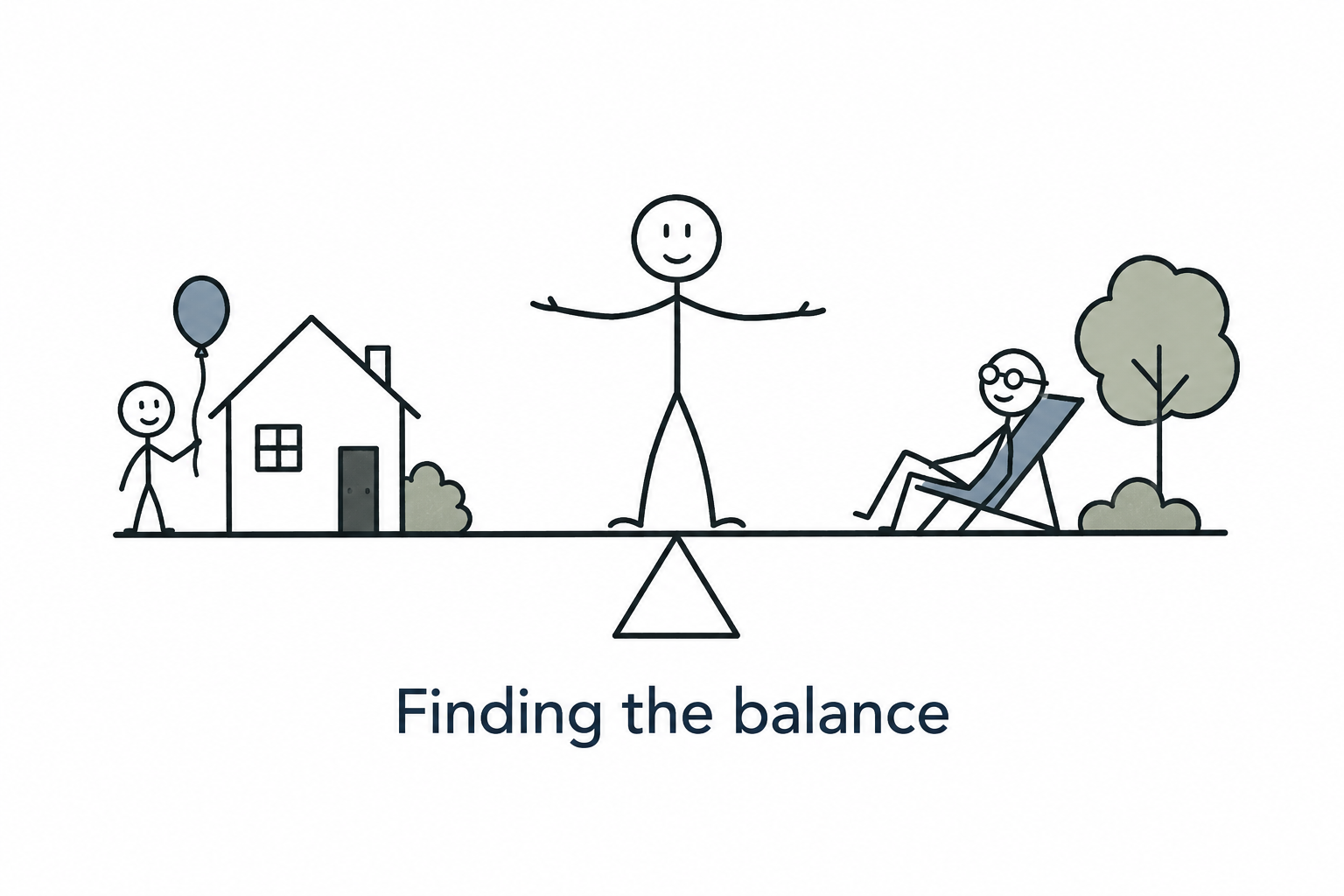
Whether it is nature, nurture or probably a little of both, most parents want to help their children.
That support can take many forms. Paying towards university. Helping with a first-home deposit. Contributing towards a wedding. Helping when a relationship breaks down or life simply does not go to plan.
Retirement is changing.
For many people, retirement is no longer a single date in the diary. It is not always a case of working one day and stopping completely the next.
For business owners, barristers, entertainers, law firm partners and other professionals, retirement may happen gradually. Work reduces, income changes, and the financial plan needs to adapt.
For a generation of retirees, running out of money was not always the main concern.
Many retired with a guaranteed pension for life. They knew what income they would receive and that it would continue for as long as they lived.
For many people today, that model has changed.
Retirement planning has changed.
For many people, the days of working one day and fully retiring the next are long gone. Retirement is often more flexible, more gradual and more personal than it used to be.
Part of this change has been driven by pension legislation. Part of it has been driven by the move away from annuities as the default option. And part of it reflects the appeal of pension drawdown.
From 6 April 2027, the overall ISA allowance is expected to remain at £20,000 per tax year, but the amount that some savers can pay into a Cash ISA will reduce. For those under 65, the annual Cash ISA limit is expected to fall from £20,000 to £12,000, while those aged 65 and over will continue to have access to the full £20,000 Cash ISA allowance.
Recent research from the Financial Conduct Authority (FCA) highlights the growing importance of ongoing financial advice. The FCA's Financial Advice Market Survey found that 88% of advised clients receive an ongoing service, while 69% of clients seek advice primarily for pensions and retirement planning.
In this final article, we bring everything together with a practical example.
Imagine an investor who started with a relatively modest crypto allocation and, through strong market growth, now holds around £500,000 of crypto wealth.
Imagine retiring in the year 2000 with an income of £15,000 per year.
At the time, that may have felt comfortable.
The average UK house price was around £86,000. Rent was significantly lower than it is today. Energy bills were a fraction of current levels, and a weekly food shop looked very different.
Over the past few weeks, we have been building a six-part crypto series.
So far, we have explored:
Turning crypto into long-term wealth
The mind games of holding crypto
Tax considerations
And in our last article, how crypto fits into retirement planning
Over the past few articles, we’ve explored the rise of crypto and how, for some early adopters, it has created significant wealth.
For a small number of investors, this has been life-changing.
But it also raises an important question:
Can crypto wealth realistically fund your retirement?
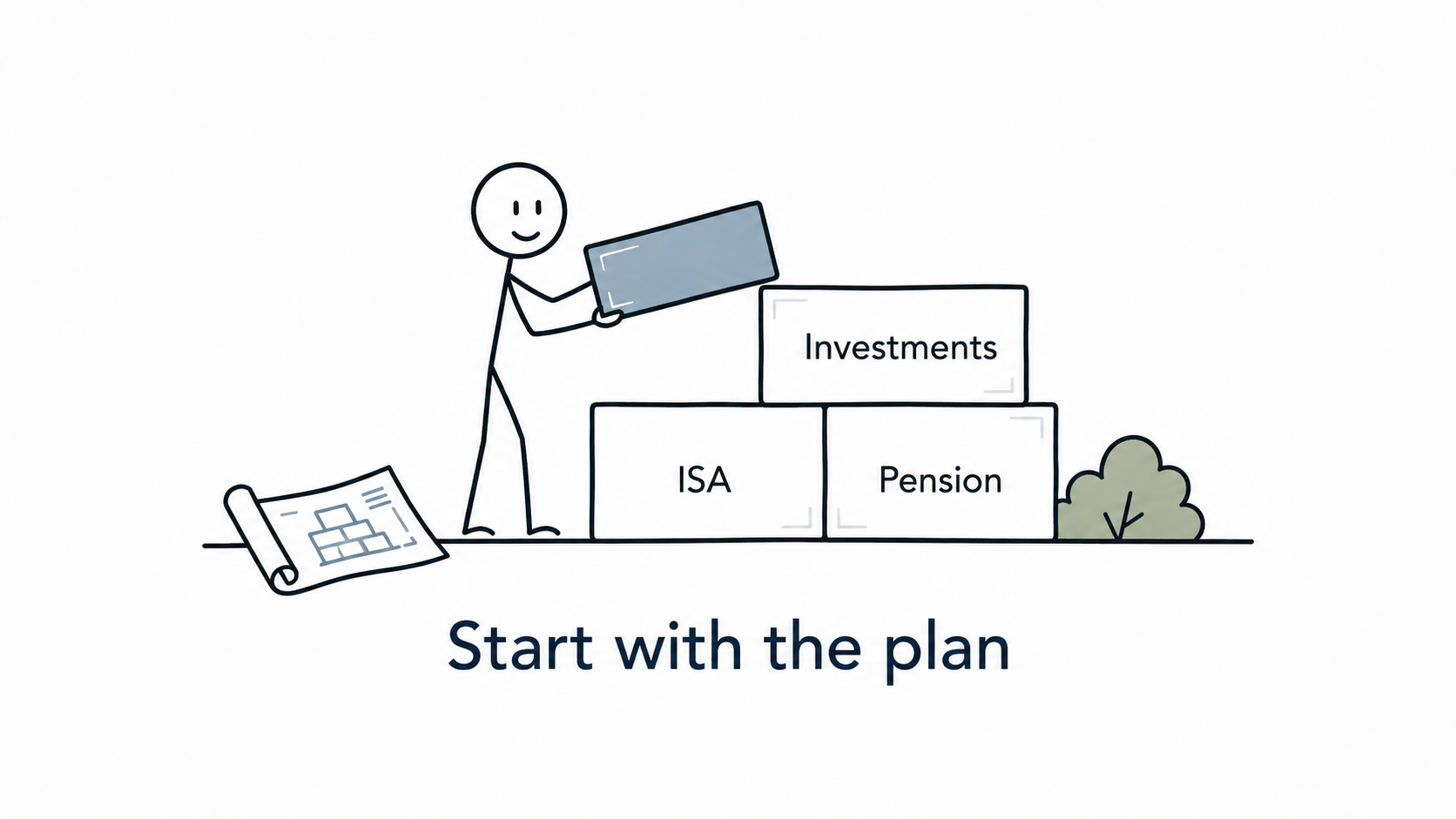
Financial planning is a journey, and each tax year brings the opportunity to build on that plan.
At first glance, tax year changes can feel small. Adjustments to allowances, frozen thresholds, and annual resets may not seem significant in isolation. But over time, these changes shape how much you keep, how much you invest, and how effectively your plan progresses.
Periods of geopolitical tension often dominate the headlines, and the recent military action involving the US, Israel and Iran is no exception. Such events naturally heighten uncertainty.
Industry research suggests a growing number of landlords are reducing portfolios rather than expanding them. For example, Savills (citing the NRLA’s landlord survey) notes that 26% of landlords sold at least one property in 2024, while only 8% bought.
There are two dates we should all have in our minds each year: 31 January (Self Assessment) and 5 April (the end of the tax year, when many key allowances reset).
And yet, for some reason, plenty of sensible people still leave decisions to the last minute.
If you purchased Bitcoin in May 2016, the return to 3 March would be 16,189.17%. In simple terms, £10,000 would now be worth just over £1.6 million.
For many early investors, this wasn’t a carefully modelled plan. It was more like stepping into uncharted territory, a pioneer move, with no real certainty about how it would play out.
Headlines matter. They draw people in.
We could easily retitle this article “£250,000 Needed for a Comfortable Retirement”; it would almost certainly generate clicks. But the truth is that the figure would be entirely arbitrary.
And that’s the problem with how retirement is often discussed.
We recently started a short series on crypto, driven by a growing number of conversations with clients looking to realise gains and diversify their assets.
In many cases, these are early adopters, people who have lived through crypto’s highs and lows and are now moving from asking “Was this a good investment?” to a far more important question:
Between 2011 and 2025, Bitcoin delivered an annualised return of approximately 96% in sterling terms, according to data from Curvo. It is a staggering figure.
Each year begins with good intentions. Yet research consistently shows that most people abandon financial goals long before the year ends. The challenge isn’t a lack of motivation. It’s distraction.
Many parents worry that their pension will be a poor inheritance for their children, especially with recent headlines about inheritance tax and changing pension rules.
It’s an understandable concern.
The reality, however, is far more reassuring.
When people think about saving for retirement, the conversation often becomes a straight comparison:
ISAs or pensions – which is better?
In reality, this is rarely the right question.
Estate planning is rarely about a single decision or document. It is an ongoing process that evolves as your wealth grows, your family circumstances change, and tax rules develop.